
Oct 10, 2026
Halloween is becoming a meaningful seasonal opportunity for the pet industry. In 2026, U.S. consumers are expected to spend $920 million on pet costumes, according to the National Retail Federation’s Halloween survey. For pet brands, retailers and suppliers, the opportunity extends beyond costumes to toys, treats, accessories, in-store events and social content.
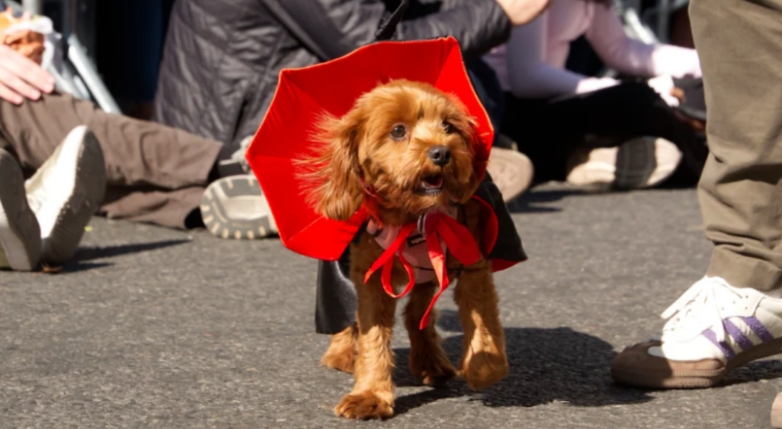
NRF’s 2026 survey, conducted September 1–9 among 7,889 U.S. consumers, projects pet costume spending at $920 million, up from $860 million in 2025. That is an increase of about 7%. For comparison, consumers are expected to spend $2 billion on adult costumes and $1.5 billion on children’s costumes.
Pets are also part of a wider set of Halloween traditions. NRF found that 61% of consumers plan to hand out candy, 50% expect to wear a costume, and 42% plan to decorate their home or yard, carve pumpkins or watch scary movies.
Classic designs lead the pet costume list. Pumpkins rank first at 11.6%, followed by hot dogs at 5.9% and ghosts at 2.8%. For dog costumes, Camp Bow Wow’s analysis of Google Trends data found that hot dog outfits were the most-searched style in the U.S. in 2026. Chicken, shark, spider, princess, ghost, dinosaur, pumpkin, dragon and lion costumes also appeared among the top searches.
Search interest varied by state, with Wyoming ranking highest, followed by New Hampshire, Utah, California and Colorado. These figures reflect search activity rather than confirmed purchases, but they can help brands identify regional interest and test localized promotions.
Halloween participation remains strong. PwC’s 2026 U.S. consumer poll found that 86% of consumers planned to celebrate, rising to 93% among Gen Z respondents. The average planned spend was $263 per celebrant, while the average budget among millennials reached $368.
Seasonal shopping also begins well before October. PwC reported that 31% of consumers planned to start shopping before September, including 28% who began in July or August. For suppliers and retailers, this points to the value of planning seasonal assortments, samples and promotional materials months in advance.
Recommendations still influence buying decisions: 45% of consumers said friends and family shape their Halloween purchases. Social platforms are also important for younger shoppers: 43% of Gen Z respondents and 30% of millennials said social media influenced their costume or party plans.
AI is becoming another source of ideas. PwC found that nearly half of AI users turned to the technology for costume inspiration, while many also used it to compare deals, find recipes or plan decorations and parties. A quarter of consumers planned to make their own costumes, for themselves or their pets, while 30% planned to buy ready-made outfits. Among Gen Z AI users, 19% said they were letting AI automate or schedule Halloween purchases.
Seasonal retail can combine product discovery with activities that invite owners and pets to participate. PetSmart’s Halloween collection brings together costumes, toys, treats and other pet supplies. In October 2026, Rural King held Pet-O-Ween, a free in-store costume contest for pets and livestock at participating locations. In the U.K., Pets at Home offered a Halloween range that included pet costumes and themed toys.
These examples show how retailers can build a seasonal destination around more than one product type. Coordinated displays, costume contests, giveaways and social media challenges can encourage customers to browse across categories and share their pets’ looks online.
For brands preparing seasonal collections, the 2026 data suggests several practical approaches:
For suppliers preparing products for the next seasonal cycle, PSC’s New Product Showcase offers a way to present new ideas to industry visitors. The fair’s business matchmaking service can also help connect exhibitors with buyers and potential partners.
Halloween pet spending is now a substantial seasonal category, supported by early shopping, familiar costume themes and a growing mix of online and in-store discovery. Brands that plan assortments early and give retail partners practical ways to activate products can be better positioned for the next Halloween season.