
Sep 03, 2026
Human food trends for 2026 are focusing on economic uncertainty and consumer anxiety. Does this approach apply to pet food, and to what extent?2026年人类食品趋势的重点是经济不确定性和消费者焦虑。这种方法适用于宠物食品吗?适用到什么程度?
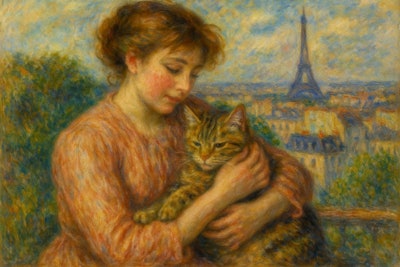
In these uncertain times, research shows consumers are leaning into nostalgia.在这个不确定的时代,研究表明消费者倾向于怀旧。
The lasting lesson from the COVID-19 pandemic — and possibly a business or marketing model for pet food and other consumer brands in 2026 — is resilience, according to experts at Mintel, the research firm. “Brands can help consumers feel like they can persevere,” said Joel Gregoire, associate director for food and drink, Canada Mintel, and Melanie Zanona Bartelme, associate director, Mintel food and drink, during a November 18, 2025, webinar on 2026 global food and drink predictions for the U.S. and Canada.研究公司英敏特(Mintel)的专家表示,2019冠状病毒病大流行的持久教训——可能也是2026年宠物食品和其他消费品牌的商业或营销模式——是韧性。在2025年11月18日举行的关于2026年美国和加拿大全球食品和饮料预测的网络研讨会上,加拿大英敏特食品和饮料副总监乔尔·格雷戈尔和英敏特食品和饮料副总监梅勒妮·扎诺娜·巴特尔姆说:“品牌可以让消费者觉得他们可以坚持下去。”
They shared data showing percentages of North American consumers saying they’re very concerned about issues including rising prices (from inflation and tariffs), the economy overall, changes to government spending or policies, world affairs or climate change; the percentages ranged from 40% to 66%, amounting to what Gregoire and Zanona Bartelme called a “polycrisis.”他们分享的数据显示,北美消费者的百分比表示,他们非常担心的问题包括价格上涨(来自通货膨胀和关税)、整体经济、政府支出或政策的变化、世界事务或气候变化;比例从40%到66%不等,相当于格雷瓜尔和扎诺娜·巴特尔姆所说的“多重危机”。
Their data and analysis echoes that of other market research firms and experts. In their own webinar, Innova Market Insights likened the current consumer vibe to 2008, a similar period of economic uncertainty, stress and anxiety. Hence, the overall theme of their top 10 food and beverage trends list for 2026 was “designing for how people feel”; and the number seven trend was “worth every bite,” addressing the need for products to “offer value and affordability during these times when economic pressures are palpable.”他们的数据和分析与其他市场研究公司和专家的一致。Innova Market Insights在自己的网络研讨会上将当前的消费者氛围比作2008年,那是一个类似的经济不确定性、压力和焦虑的时期。因此,2026年十大食品和饮料趋势的总体主题是“为人们的感受而设计”;排名第七的趋势是“每一口都物有所值”,强调产品需要“在经济压力明显的时候提供价值和负担能力”。
This need extends to pet food and pet care, of course. “Economic uncertainties are a growing headwind for the pet care industry,” said Sahiba Puri, global insight manager for pet care at Euromonitor International, in a recent press release. “Despite the industry’s relative resilience exhibited in the past, consumer patience is wearing thin as continuing pricing pressures are stretching consumer wallets.”当然,这种需求也延伸到了宠物食品和宠物护理上。欧睿国际(Euromonitor International)宠物护理全球洞察经理萨希巴•普里(Sahiba Puri)在最近的一份新闻稿中表示:“经济的不确定性对宠物护理行业来说是一个越来越大的逆风。”“尽管该行业在过去表现出了相对的弹性,但随着持续的价格压力使消费者的钱包越来越紧,消费者的耐心正在消耗殆尽。”
Puri also presented data during Petfood Forum Asia 2025, held in Bangkok on October 29, showing how sales growth in the premium pet food category is slowing, even in fast-developing markets like Asia-Pacific. In that region (as in others worldwide, she said), data indicate more pet owners than non-owners are more likely to say they would prefer to buy fewer but higher quality things. “Premiumization comes at the cost of the amount of volume that can be moved at a higher price,” Puri explained.Puri还在10月29日于曼谷举行的2025年亚洲宠物食品论坛上展示了数据,显示高端宠物食品类别的销售增长正在放缓,即使在亚太等快速发展的市场也是如此。她说,在该地区(和世界其他地区一样),数据显示,养宠物的人比不养宠物的人更愿意购买数量少但质量高的东西。Puri解释说:“高端化是以可以以更高价格移动的数量为代价的。”
Going back earlier in 2025, a Packaged Facts survey of U.S. dog and cat owners showed 68% are somewhat or very concerned about rising prices of pet food, with 42% saying they’d been challenged by the high cost of pet food over the previous 12 months. Anywhere from 14% to 30% said they had switched the pet food products they were buying due to high prices or inflation. (Unsurprisingly, the percentage depended on income level; owners with higher incomes were on the lower end of the switching spectrum, while those with the lowest incomes were on the higher end of the range.)早在2025年,一项针对美国猫狗主人的Packaged Facts调查显示,68%的人有点或非常担心宠物食品价格上涨,42%的人表示,在过去的12个月里,宠物食品的高成本给他们带来了挑战。14%到30%的人表示,由于价格高企或通货膨胀,他们已经更换了购买的宠物食品。(不出所料,这一比例取决于收入水平;收入较高的车主处于更换范围的低端,而收入最低的车主则处于该范围的高端。)
Besides seeking value and more affordable products, consumers are also turning to nostalgia, at least with human foods and beverages, in these anxious times. “Every time we go through a difficult time, we lean on nostalgia,” said Zanona Bartelme during the Mintel webinar.在这个令人焦虑的时代,除了追求价值和更实惠的产品,消费者也在转向怀旧,至少在人类食品和饮料方面是这样。在英敏特网络研讨会上,扎诺娜•巴特尔姆表示:“每次我们经历困难时期,我们都依赖于怀旧。
Her company calls this idea “retro rejuvenation,” while Innova’s trend for the same concept is “crafting tradition.” From Innova’s perspective: “Food heritage is driving choice by offering comfort, identity and authenticity in uncertain times.”她的公司将这个想法称为“复古复兴”,而Innova的趋势是“制作传统”。从Innova的角度来看:“在不确定的时代,食物遗产通过提供舒适、身份和真实性来推动选择。”
In either case, it refers to consumers paying attention to traditions, looking to the past, but also seeking to improve on them with modern technologies and other changes. And both research firms keyed on millennial consumers especially (and interestingly) with this trend. According to Mintel data, 77% of U.S. consumers ages 25-34 surveyed said they agree that they enjoy products that remind them of the past; it’s 70% for Canadian respondents. And, with the next oldest age group, consumers ages 35-44, 71% of U.S. consumers and 67% of Canadians agreed.无论哪种情况,它都指的是消费者注重传统,回顾过去,但也寻求通过现代技术和其他变化来改进它们。这两家研究公司都特别关注千禧一代消费者(有趣的是)这一趋势。根据英敏特(Mintel)的数据,接受调查的25岁至34岁的美国消费者中,有77%的人表示,他们喜欢让他们想起过去的产品;在加拿大受访者中,这一比例为70%。其次是35-44岁的消费者群体,71%的美国消费者和67%的加拿大消费者同意这一观点。
“Millennials balance nostalgia and novelty, embracing global flavors, modern twists on classics and adventurous profiles that still feel recognizable,” Innova said.Innova说:“千禧一代在怀旧和新奇之间取得平衡,拥抱全球口味,对经典的现代诠释,以及仍然能让人辨认出来的冒险形象。”
Does this trend possibly have a play in pet food? Perhaps; maybe it was predated by the marketing push several years ago for “ancestral diets” that supposedly were closer to what dogs and cats would eat in the wild. (If they were wolves and wild cats, which they aren’t.)这种趋势会在宠物食品中发挥作用吗?也许;也许在几年前的市场推广中,“祖先饮食”更接近于狗和猫在野外吃的东西。(如果它们是狼和野猫的话,其实它们不是。)
Today, the growing interest in pet foods that are less processed than traditional kibble or wet products may be somewhat analogous to consumers leaning into the past when it comes to their own food — though I don’t think anyone would advocate for pets to once again be fed table scraps. (Or continue to be fed that way in some parts of the world.今天,人们对宠物食品的兴趣越来越大,这些食品比传统的粗粉或湿产品加工得少,这在某种程度上类似于消费者倾向于过去自己的食物——尽管我认为没有人会支持宠物再次吃残羹剩饭。(或者在世界上的某些地方继续以这种方式喂养。
Still, pets are definitely part of the family, a key feature and symbol of the comforts of home, so it may make sense for some pet food and treat brands to explore the nostalgia factor. As they’re also evaluating their pricing and premiumization strategies.尽管如此,宠物绝对是家庭的一部分,是家庭舒适的一个关键特征和象征,所以一些宠物食品和零食品牌探索怀旧因素可能是有道理的。因为他们也在评估自己的定价和付费策略。